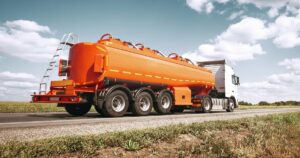
What is LTL freight?
LTL (Less-Than-Truckload) transportation is a shipping method for freight that does not require an entire trailer. For chemical logistics, LTL shipping allows manufacturers and distributors to move smaller volumes of packaged products cost-effectively by sharing trailer space with other compatible goods.
Supply chain managers frequently balance transportation costs with shipment urgency. When moving smaller volumes, booking a dedicated truck is often not financially viable. LTL transportation provides an alternative by allowing shippers to pay only for the trailer space their cargo actually occupies.
However, applying LTL trucking to this sector requires specific operational planning. It involves careful attention to product compatibility, proper packaging, and carrier qualification. Managing these variables helps ensure that cost efficiency aligns with product integrity and regulatory compliance.
When LTL Transportation Makes Sense for Chemical Shipments
Not every shipment requires a dedicated truckload. LTL transportation is a highly practical option for smaller palletized shipments, or a small number of Intermediate Bulk Containers (IBCs) and drums.
Companies often use this method when:
- Volume is lower: The shipment size does not justify the cost of a full truckload.
- Transit times are flexible: The delivery is not required for a strict manufacturing schedule, allowing for standard transit windows.
- Products are properly packaged: The materials are secured in packaging appropriate for the product, hazard classification, and carrier requirements.
How Chemical LTL Differs from Standard LTL Freight
LTL networks consolidate freight from multiple shippers, meaning chemical shipments require additional attention to compatibility, packaging, and handling.
While not all chemical shipments are classified as hazardous materials, those that are subject to specific handling, documentation, and transportation requirements must be managed accordingly. Hazardous materials may be subject to segregation and compatibility requirements depending on the specific materials and applicable regulations. This means shippers rely on carriers experienced in handling and segregating specific hazard profiles.
Packaging, Documentation, and Carrier Requirements
Because LTL shipments typically move through a hub-and-spoke network, passing through consolidation terminals, the process can involve additional handling compared with direct truckload service.
- Packaging: Drums, IBC totes, and bags must be secured in packaging appropriate for the product, hazard classification, and the specific carrier’s requirements to withstand terminal transfers.
- Documentation: Accurate paperwork is fundamental. While the Bill of Lading (BOL) identifies standard details, required shipping papers must accurately describe the hazardous material when applicable. While the Safety Data Sheet (SDS) provides critical handling information, shippers must distinguish between the SDS and the specific shipping papers required for hazardous transport.
- Carrier Qualification: Depending on the material and quantity, hazardous shipments require properly qualified carriers and personnel. This involves verifying appropriate authority, experience, and compliance.
LTL Freight vs Full Truckload for Chemical Shipments
Deciding between LTL freight and a full truckload (FTL) depends on shipment volume, handling requirements, urgency, product characteristics, lane, and total transportation cost.
Full Truckload (FTL): A dedicated truck picks up the load at the origin and drives directly to the destination. The freight generally has fewer handling points than LTL, often resulting in faster delivery times.
LTL Transportation: The cargo shares trailer space with other shippers and is routed through consolidation terminals. This can lower the cost for smaller volumes, but it may increase transit time and the number of handling events.
If a shipment is highly sensitive to handling, extremely urgent, or of sufficient volume, full truckload is often the preferred decision. If the shipment is smaller, appropriately packaged, and has a flexible delivery window, LTL shipping is a practical alternative.
Temperature Sensitive Chemical Freight
Certain products, such as specific polymers, resins, and water-based adhesives, have specifications that require strict temperature ranges to prevent degradation. When product specifications require it, moving these sensitive materials involves temperature controlled LTL transportation.
Securing this capacity can be more complex than sourcing standard dry LTL. Shippers must verify that the selected carrier has the physical equipment and operational procedures to maintain the required environment throughout the hub-and-spoke transfer process.
Cross-Border LTL Considerations
Moving smaller volumes across the borders between the United States, Mexico, and Canada introduces additional coordination and customs risks.
Because multiple shipments share the same transportation network, consolidated LTL shipping requires coordination of customs documentation for each shipment within the consolidation. To mitigate potential delays, companies executing cross-border movements often implement advance customs coordination as a best practice, working closely with brokers and logistics providers before the truck reaches the crossing.
How to Choose an LTL Carrier for Chemical Freight
Procuring capacity requires looking beyond the base rate. Teams should evaluate carriers based on:
- Network footprint: Does the carrier have direct terminals near your origin and destination?
- Experience: Do their personnel know how to handle IBC totes and chemical drums?
- Regulatory compliance: Does the carrier maintain the appropriate authority, experience, and compliance for the specific hazard class?
Shippers benefit from working within vetted carrier networks rather than relying on transactional public load boards.
How Invia Global Supports Chemical LTL Transportation
Invia Global provides specialized logistics management for the chemical and petrochemical industries. We understand that smaller volumes require careful coordination and compliance.
Through our certified network of trusted carriers, Invia Global provides LTL transportation for smaller freight volumes, supporting ground transportation across North America.
Contact Invia Global to discuss your chemical LTL requirements and find the right transportation solution for your shipment.
Frequently Asked Questions (FAQ)
What is LTL freight?
LTL (Less-Than-Truckload) freight is a transportation method where multiple shippers share space on a single trailer. It provides cost-effective shipping for smaller volumes that do not require a dedicated full truckload.
When should chemical companies use LTL transportation?
Companies should use LTL transportation when moving smaller palletized shipments or packaged goods, provided delivery schedules are flexible enough to accommodate standard transit times.
Is LTL transportation suitable for chemical shipments?
It can be, provided the materials are secured in packaging appropriate for the product and hazard classification, and the selected carrier is qualified to handle the specific profile and manage compatibility requirements.
What is the difference between LTL and full truckload?
Full truckload involves a dedicated trailer moving directly from origin to destination, which generally has fewer handling points. LTL involves sharing trailer space and routing through consolidation terminals, which offers cost efficiency for smaller shipments but may involve additional handling and longer transit times.