What is ground chemical transportation and why is it important for chemical supply chains across Canada, the United States, and Mexico?
Ground chemical transportation is the specialized movement of chemical products by road using equipment like tank trucks and dry vans. It connects manufacturing plants, ports, and distribution centers, enabling continuous production and freight execution across the United States, Mexico, and Canada.
Moving chemical products by road requires more than locating an available truck. For manufacturers, distributors, and procurement leaders, securing reliable transportation means aligning the right equipment with qualified carriers while managing multi-jurisdictional border requirements.
The North American chemical sector depends on road freight to maintain supply chain continuity. Whether moving bulk liquids from a Texas refinery or transporting palletized specialty chemicals across the northern border, this logistics process requires precise route planning, exact equipment matching, and consistent border coordination.
Why Ground Transportation Matters to the North American Chemical Supply Chain
Road transportation links production facilities and markets. While ocean freight and rail handle large volumes over long distances, trucking connects plants, refineries, warehouses, ports, rail terminals, and end-user manufacturing facilities.
Ground transportation often serves as the link between different transportation modes. When an ISO tank arrives at a port, container drayage moves it to a local staging facility. When a railcar reaches a terminal, tank trucks execute the final delivery to the production plant. Without reliable execution on the road, the broader intermodal network stalls. For chemical shipments, road freight provides the flexibility and direct routing necessary to meet inventory requirements.
Ground Chemical Transportation Across Canada, the United States, and Mexico
Operating a cross-border logistics network means managing distinct jurisdictions. Transporting hazardous materials within a single country carries strict requirements, but crossing international borders introduces overlapping regulations, customs protocols, and equipment transfer processes.
Executing cross-border shipments demands thorough documentation, strict carrier qualification, and proactive customs coordination.
United States and Mexico
The industrial corridor connecting the United States and Mexico handles a significant volume of chemical freight. Facilities in Houston frequently supply manufacturing centers in Monterrey, Mexico City, and other central industrial hubs.
US-Mexico chemical shipments frequently use border crossings like Laredo and Nuevo Laredo. While procedures vary based on the specific shipment and carrier agreements, freight is often handed off between a US carrier and a Mexican carrier at the border commercial zone. This physical interchange requires careful coordination. Manufacturers depend on logistics partners to select carriers with the appropriate equipment and experience to prevent delays during the transfer.
United States and Canada
US-Canada transportation connects producers in the US Gulf Coast and Midwest with Canadian industrial markets. While the physical border crossing process differs from the southern border, the demands remain high.
Transporting chemical freight between the US and Canada requires alignment with relevant transportation regulations in both jurisdictions. Operations in this corridor must account for specific customs documentation and, when handling temperature-sensitive products, arrange for temperature-controlled transport during winter transits.
Connecting Three Markets Through One Network
Companies operating across Canada, the US, and Mexico benefit from treating the continent as a single, connected network rather than isolated regional markets. Logistics partners that understand the entire ecosystem can position equipment strategically, route freight to avoid known border bottlenecks, and apply consistent standards across all three countries. This coordination reduces transit variability and supports continuous production.
Equipment for Ground Chemical Transportation
Deploying the correct equipment is a fundamental requirement. Using the wrong trailer compromises safety and risks product contamination. Invia Global manages transportation through several primary equipment types:
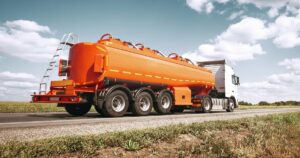
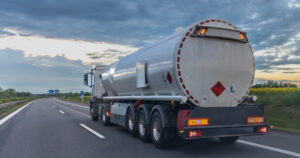
- Tank Trucks: Utilized for the bulk transportation of liquid chemicals.
- Dry Vans: Utilized for packaged chemical products, including materials staged in Intermediate Bulk Containers (IBCs), drums, or palletized bags.
- Container Drayage: The short-haul movement of shipping containers or ISO tanks. Drayage connects ocean ports and rail yards to nearby warehousing facilities or industrial plants.
- LTL Solutions: Less-Than-Truckload (LTL) chemical transportation provides an option for smaller shipments that do not require a dedicated trailer.
What Makes Chemical Ground Transportation Different
Chemical freight operates under constraints that do not apply to standard dry goods. The factors that distinguish this sector include:
- Chemical Compatibility: Ensuring the transport equipment is appropriate for the specific product being moved.
- HAZMAT Requirements: Adhering to relevant regulations regarding placarding, packaging, and allowable quantities when handling hazardous materials.
- Carrier Qualification: Utilizing drivers and carriers with appropriate experience and safety records for chemical freight.
- Documentation: Managing Safety Data Sheets (SDS), manifests, and required shipping papers.
- Product Integrity: Maintaining required temperature ranges and preventing contamination.
- Route Planning: Adhering to restricted routing for certain hazardous classes when required by local or federal authorities.
Managing Cross-Border Chemical Transportation Risks
When freight crosses borders, risks multiply. Common points of failure include documentation discrepancies, missing commercial invoices, or inaccurate customs classifications, all of which can trigger holds by customs authorities.
During US-Mexico transits, carrier handoffs present a potential risk. If the receiving carrier does not arrive on time or lacks the correct trailer specifications, the load stalls at the border. Furthermore, border congestion can exhaust a driver’s available hours of service, leading to unexpected detention costs.
Proactive planning mitigates these risks. Supply chain managers reduce border friction by preparing documentation in advance, verifying carrier credentials well before the physical interchange, and maintaining open communication channels between the shipper, the customs broker, and the carriers.
Why Carrier Qualification Matters
Procuring capacity for chemical freight requires strict vetting. Relying on transactional spot market carriers introduces unnecessary risks that many shippers prefer to avoid.
Invia Global operates under a specific model: rather than relying on a fixed fleet, Invia strategically manages a certified network of trusted carriers. This non-asset-based approach provides flexibility. It allows logistics planners to select a carrier based on the exact requirements of the load—matching equipment specifications and regional lane expertise to the shipment. This model delivers capacity while ensuring that carriers executing the freight have passed a qualification process.
Houston as a Strategic Logistics Hub
Houston is a major hub for the North American chemical sector. Its geographic location and infrastructure make it a natural center for production, storage, and distribution.
The region contains petrochemical refineries, specialized warehouses, and tank wash facilities. Road transportation networks radiate from Houston, connecting maritime freight from the Port of Houston to domestic rail ramps, and supplying direct highway routes south toward the Laredo border crossing. Invia Global leverages this location to coordinate complex freight movements, matching shipments with qualified local and cross-border carriers.
Choosing a Ground Chemical Transportation Partner
Evaluating a logistics provider requires looking beyond freight rates. Procurement teams should assess partners based on the following practical criteria:
- Chemical Industry Experience: Understanding the physical properties of the products and the frameworks governing them.
- Carrier Qualification: Demonstrated processes for auditing carrier safety records and insurance policies.
- Equipment Access: The ability to source tank trucks, chassis, and dry vans in tight markets.
- Cross-Border Capabilities: Established networks and processes for managing freight across the US, Mexico, and Canada.
- Documentation Processes: Management of SDS and shipping documentation to prevent delays.
- Shipment Visibility: Clear communication and tracking capabilities from the loading dock to the final receiver.
Supply Chain Continuity
A failure in transportation creates immediate downstream consequences. When a tank truck carrying raw materials is delayed due to an inspection issue or equipment failure, the receiving facility may be forced to halt production.
Reliable logistics directly affects inventory availability, customer commitments, and financial performance. Managing these variables effectively helps prevent accessorial charges—such as demurrage and detention. By treating transportation as a core component of planning, manufacturers maintain control over their costs.
Strategic Logistics for the Chemical Industry
Invia Global Logistics provides specialized transportation management for the chemical and petrochemical industries. We manage freight execution across the United States, Mexico, and global destinations.
Operating from strategic locations including Houston, Monterrey, and Mexico City, Invia manages a certified carrier network to deliver Tank Truck, Dry Van, Container Drayage, and LTL solutions. Our focus is built on proactive planning, exact equipment matching, and secure cross-border execution.
Contact Invia Global to discuss your North American chemical transportation requirements.
Frequently Asked Questions (FAQ)
What is ground chemical transportation?
It is the specialized movement of chemical and petrochemical products by road, requiring strict regulatory compliance, qualified carriers, and equipment like tank trucks or dry vans.
What equipment is used for chemical freight?
Primary equipment includes tank trucks for bulk liquids, dry vans for packaged goods (IBCs, drums, pallets), and specialized chassis for container drayage.
How does cross-border transportation work between the US and Mexico?
While structures vary, freight frequently moves to a border commercial zone where it is interchanged between a US carrier and a Mexican carrier. This requires alignment between customs brokers and qualified carriers on both sides of the border.
What should companies consider when choosing a provider?
Shippers should evaluate a provider’s carrier vetting process, access to required equipment, and cross-border capabilities across the US, Mexico, and Canada.
How does road freight support North American supply chains?
It connects ports, rail ramps, plants, and distribution centers, ensuring materials reach facilities to maintain manufacturing schedules across the continent.